Fake 8070 Traffic Fine Messages in Pakistan 2026: How Scammers Trap Drivers and How to Stay Safe
Pakistan’s digital traffic management systems have expanded rapidly, especially with the introduction of e-Challan enforcement, Safe City Authority camera networks, and stricter penalties under provincial traffic laws. Alongside these improvements, a dangerous wave of cyber scams has also emerged.
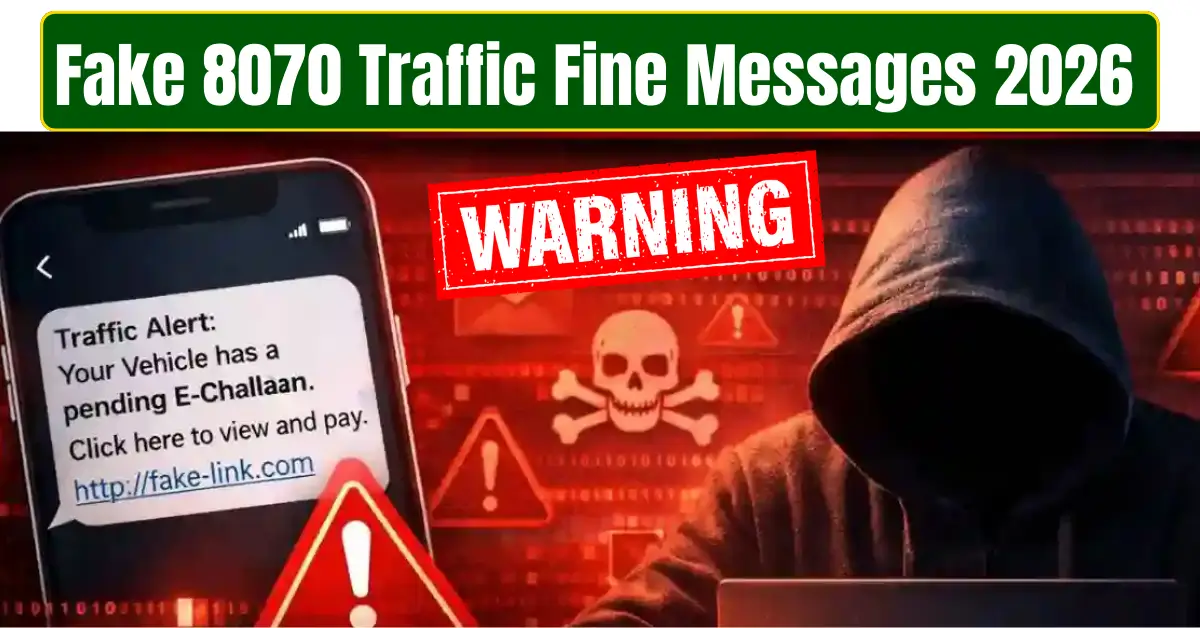
One of the most widespread scams in 2026 is the fake 8070 traffic fine SMS. Thousands of citizens across Karachi, Lahore, Islamabad, Rawalpindi, Hyderabad, and other cities are receiving messages claiming that a traffic violation has been recorded and that immediate payment is required through a link.
These messages look official, sound urgent, and often scare people into clicking. In reality, most of them are fraudulent.
This guide explains what the 8070 fake message scam is, why it is spreading, how it works, and how you can safely verify real traffic fines in Pakistan.
Why Traffic Fine Scams Are Increasing in Pakistan
Pakistan has introduced tougher traffic regulations in recent years.
For example:
- Driving without a valid license in Sindh can now lead to fines reaching Rs. 50,000
- Helmet, seatbelt, and signal violations are monitored by Safe City cameras
- Digital e-Challan systems are active in major cities
These changes have made people more conscious and also more fearful of penalties. Scammers exploit this fear by sending fake messages that appear to come from traffic authorities.
What Is the 8070 Fake Message Scam?
The 8070 fake message scam is a phishing technique where criminals send SMS messages pretending to be from traffic police or government departments.
The message usually claims:
- A traffic fine has been issued
- Your vehicle is recorded on camera
- Immediate payment is required
- A link is provided for verification or payment
The goal is to trick users into clicking the link and entering personal or financial information.
Common Text Seen in Fake 8070 Messages
Scammers reuse similar language to create urgency:
- “Your e-Challan is pending.”
- “Final warning before fine increase”
- “Pay within 24 hours to avoid blacklisting.”
- “Click here to view violation details.”
These messages are designed to create panic so that people act without verifying.
Why You Should Never Click Traffic Fine Links in SMS
Clicking on unknown links can expose you to serious risks.
1. Financial Theft
Fake websites often look identical to government portals.
Once you enter:
- Debit card number
- Credit card details
- OTP codes
Scammers can empty your account within minutes.
2. Identity Misuse
Some fake pages ask for:
- CNIC number
- Vehicle registration number
- Mobile number
This data can be used later for SIM fraud, loan scams, or fake accounts.
3. Mobile Malware Infection
Certain links automatically install spyware or malicious software that can:
- Read SMS messages
- Track keystrokes
- Access banking apps
This puts your entire phone at risk.
Do Pakistani Traffic Authorities Send Payment Links by SMS?
No.
Traffic departments may send informational alerts, but they do not send clickable payment links through random SMS.
Legitimate organizations such as:
- Punjab Traffic Police
- Sindh Traffic Police
- Islamabad Traffic Police
- Punjab Safe Cities Authority
require fines to be checked and paid through official websites, apps, or designated banks, not SMS links.
How Scammers Make 8070 Messages Look Real
Criminals use psychological pressure:
- Short deadlines
- Legal threats
- Official-sounding wording
- Fake logos and layouts
They rely on fear and urgency to bypass common sense.
Clear Signs a Traffic Fine Message Is Fake
Watch for these red flags:
- Shortened or strange website addresses
- Poor spelling or grammar
- No official department name
- Requests for CNIC or card details
- Pressure to pay immediately
Even one of these signs means the message is unsafe.
Safe Ways to Check Traffic Fines in Pakistan
Instead of clicking SMS links, use verified channels.
Recommended Methods
- Official traffic police websites
- Government e-Challan portals
- Approved mobile applications announced by authorities
- Visiting traffic police facilitation centers
These platforms connect directly to official databases.
What To Do If You Receive an 8070 Fake Message
Take the following steps:
- Do not click the link
- Do not reply to the message
- Delete it immediately
- Block the number
- Inform family members
Spreading awareness helps reduce the number of victims.
What If You Already Clicked the Link
Act quickly:
- Turn off the internet connection
- Do not enter any details
- Run a phone security scan
- Contact your bank if the card info was entered
- Change passwords of important accounts
Quick action can limit damage.
Government Efforts Against SMS Fraud
Pakistani authorities regularly issue advisories about:
- Fake e-Challan campaigns
- Phishing messages
- Cybercrime threats
The Federal Investigation Agency (FIA) Cyber Crime Wing encourages citizens to report online fraud and suspicious messages.
How to Protect Yourself From SMS Scams
Basic digital habits can keep you safe:
- Never trust payment links in SMS
- Verify information through official sources
- Keep phone software updated
- Use built-in spam filters
- Avoid sharing personal details
Digital awareness is the strongest defense.
Why 8070 Is Often Used by Scammers
In past years, some government information services used 8070 for public messaging. Scammers exploit this familiarity to make messages appear legitimate.
The number alone does not guarantee authenticity.
Traffic Law Reforms and Public Awareness
With stricter penalties in provinces like Sindh and Punjab, drivers must stay informed about:
- License requirements
- E-Challan procedures
- Official verification channels
Knowing how the system works makes scams easier to spot.
Final Thoughts
The fake 8070 traffic fine message scam is one of the most dangerous digital fraud trends in Pakistan in 2026. It preys on fear, urgency, and lack of awareness.
Remember this rule:
If an SMS asks you to click a link to pay a traffic fine, it is almost certainly fake.
Always verify fines through official portals, never through random messages.
Frequently Asked Questions
Are all 8070 messages fake?
No, but any 8070 message containing a payment link for traffic fines should be treated as fake.
Do traffic police ever send payment links by SMS?
No, traffic police never send payment links by SMS
How can I check a real traffic fine?
Use official traffic police websites, apps, or visit facilitation centers.
Can scammers steal money through fake links?
Yes, if you enter card or OTP details.
Should fake messages be reported?
Yes, report them to your mobile operator and the FIA Cyber Crime Wing.